

Written by:
Dr Nawaaz Karimbocus
General Surgeon at Winelands Surgery, Paarl
Gallstones are one of the most common conditions treated by general surgeons, affecting up to one in five adults during their lifetime. While many people with gallstones never develop symptoms, those who do should seek medical attention, as untreated gallstones can lead to serious complications.
The gallbladder is a small organ beneath the liver that stores bile, a digestive fluid that helps break down fats. Gallstones are hardened deposits that form in the gallbladder and can block the normal flow of bile.
Common Symptoms
- Symptoms usually occur after eating, particularly fatty meals, and may include:
- Pain in the right upper abdomen that may spread to the back or right shoulder
- Nausea or vomiting
- Bloating or indigestion
- If a gallstone blocks the gallbladder or bile ducts, it can cause infection, jaundice, pancreatitis, or other potentially serious complications that may require urgent treatment.
Diagnosis and Treatment
Gallstones are usually diagnosed with an abdominal ultrasound, supported by a clinical examination and, when necessary, blood tests.
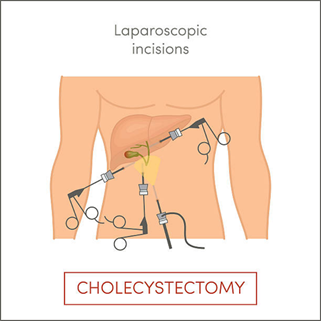
Once gallstones are causing symptoms, the recommended treatment is to remove the gallbladder rather than just the stones. This procedure, called a laparoscopic cholecystectomy, prevents future attacks and complications while allowing bile to continue flowing normally into the digestive system.
Modern Keyhole Surgery
Laparoscopic (“keyhole”) surgery is now the standard treatment. Using several small incisions, surgeons remove the gallbladder with specialised instruments and a camera.
Benefits include:
- Smaller scars
- Less pain after surgery
- Faster recovery
- Lower risk of wound complications
- Earlier return to normal activities
- Many patients are able to go home on the same day as their surgery, provided they are recovering well after the procedure.
Recovery
Recovery is usually quick. Most patients are walking within hours of surgery and return to light activities within a few days. Office-based work can often be resumed within one to two weeks.
Take-Home Message
Although most gallstones never cause problems, symptoms should not be ignored. Modern laparoscopic gallbladder surgery is a safe and effective treatment that relieves symptoms and helps prevent serious complications.
If you experience recurring abdominal pain, especially after meals, speak to your doctor. Early diagnosis and treatment can help you avoid complications and get back to your normal routine sooner.
