
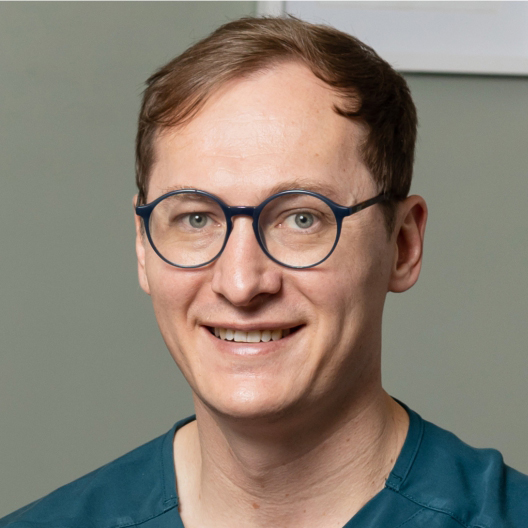
Dr Evan Rabie
Maxillofacial & Oral Surgeon Suite 405,
Corner of Clifton and,
Netcare Unitas Hospital, Rabie St, Centurion, 0163
T: 012 881 4699
When teeth are lost and not replaced, the jawbone slowly shrinks over time. This is called severe jawbone resorption. The bone becomes thinner and shorter, and in the upper jaw the sinus spaces can expand. As a result, dentures often become loose, painful, and difficult to control. Patients may struggle to chew properly, speak clearly, or feel confident in social situations. Common causes include long-term tooth loss, gum disease, ageing, trauma, and pressure from unstable dentures that speed up bone loss over the years. Scientific studies confirm that lack of chewing forces after tooth loss leads to ongoing bone shrinkage and denture instability.
Dental implants can provide stable, long-term solutions even when the bone is very thin. Two main approaches are used. The first is bone building (augmentation), where bone grafts or guided bone regeneration are used to rebuild lost bone so that implants can be placed in normal positions. The second approach uses remote anchorage, which means placing implants into stronger, more distant areas of bone. Examples include longer tilted implants, pterygoid implants at the back of the upper jaw, or zygomatic implants that anchor in the cheekbone. Research shows these advanced methods can safely support fixed teeth and improve stability when conventional implants are not possible.
Successful treatment can greatly improve chewing ability, speech, comfort, and overall quality of life. Patients often notice better facial support, improved appearance, and a boost in self-confidence once their teeth are secure again. Replacing lost teeth with implant-supported solutions also helps maintain facial contours and slow further bone loss.
Because these cases are complex, careful planning is essential. Treatment is best carried out by a multidisciplinary team, typically including a specialist prosthodontist and an oral and maxillofacial surgeon, working together to design the safest and most predictable solution.
If you or your patients have poorly fitting dentures or severely resorbed jawbones, you are welcome to contact Dr ER Rabie (Maxillofacial and Oral Surgeon) for assessment and guidance.
