
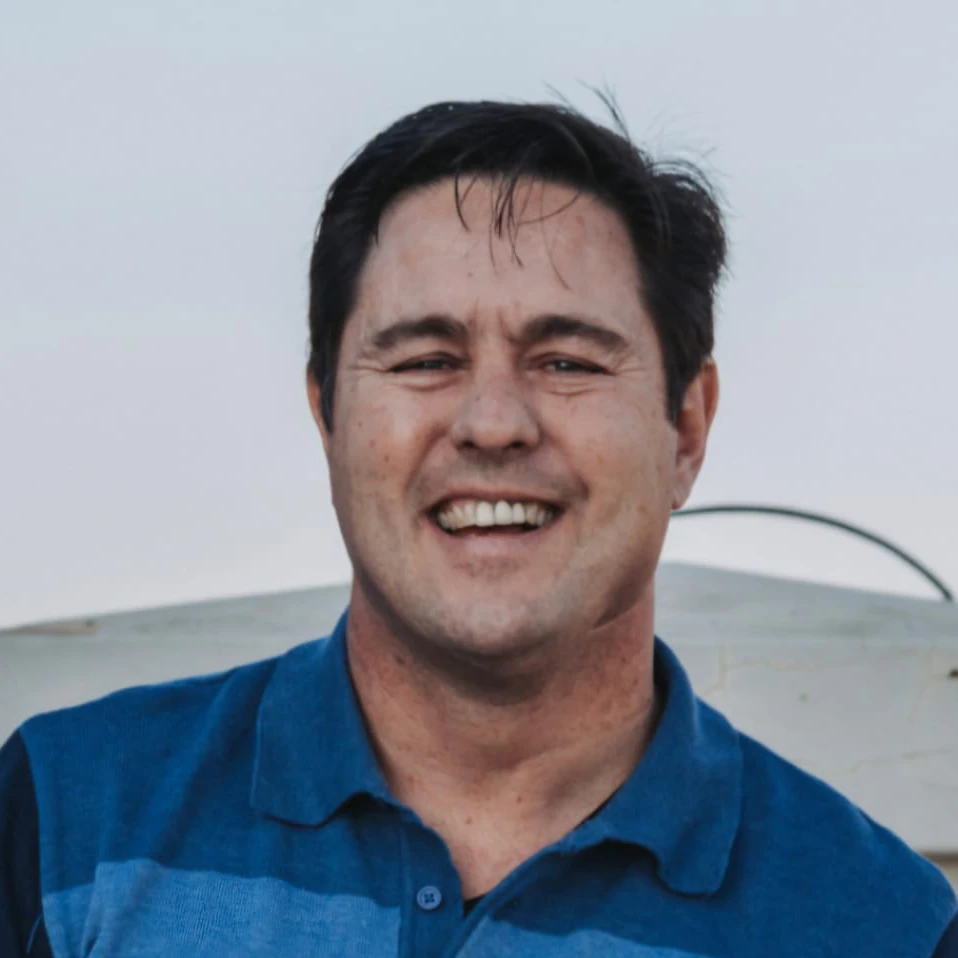
Dr Andrew Paterson
Paediatric Orthopaedic Surgeon
Block G, Room 4, Netcare Montana Hospital
Cnr Dr Swanepoel and Rooibos Road
Beyond Growth Plates:
Evolving Perspectives in Paediatric Orthopaedic Surgery
Paediatric orthopaedic surgery occupies a uniquely nuanced space in medicine—where anatomy is dynamic, pathology evolves with growth, and timing can be as critical as technique. Unlike adult orthopaedics, where the goal is often restoration, paediatric practice frequently centres on guidance: steering development rather than simply correcting deformity.
The Biology of Growth:
Opportunity and Risk
The presence of open physes introduces both a therapeutic advantage and a potential hazard. Growth modulation techniques, such as guided growth using tension-band plating, have transformed the management of angular deformities. Conditions like genu valgum or varum can now be corrected gradually, avoiding more invasive osteotomies.
However, this same growth potential demands precision. Iatrogenic physeal injury remains a significant concern. Even minimally invasive procedures can have long-term consequences if growth plates are disrupted, underscoring the importance of meticulous planning and imaging.
Early Intervention vs Watchful Waiting
One of the most debated aspects of paediatric orthopaedics is timing. Developmental dysplasia of the hip (DDH), for example, illustrates this tension well. Early detection through screening programs allows for non-operative management with excellent outcomes. Yet, overtreatment of physiologically immature hips remains a risk.
Similarly, in conditions like intoeing or flexible flatfoot, the challenge lies in distinguishing normal developmental variation from pathology. The experienced clinician must balance parental anxiety with evidence-based reassurance, avoiding unnecessary interventions while remaining vigilant for atypical progression.
Trauma: Not Just “Small Adult” Fractures
Paediatric fractures differ not only in pattern but in healing potential. The remarkable remodelling capacity in children allows for conservative management in cases that would require surgery in adults. Yet certain injuries—such as supracondylar humerus fractures or slipped capital femoral epiphysis (SCFE)—require urgent and precise intervention to prevent long-term morbidity.
The increasing use of elastic stable intramedullary nailing (ESIN) reflects a shift toward minimally invasive stabilization that respects both biology and biomechanics. The emphasis is on maintaining alignment while preserving periosteal blood supply and growth potential.
Neuromuscular and Syndromic Conditions
Children with neuromuscular disorders, such as cerebral palsy, present complex, multi-level deformities. Modern management has moved toward single-event multilevel surgery (SEMLS), allowing correction of multiple deformities in one operative session. This approach reduces cumulative anaesthetic exposure and facilitates coordinated rehabilitation.
Advances in gait analysis have further refined surgical planning, enabling objective decision-making and improved functional outcomes. The integration of multidisciplinary care—physiotherapy, orthotics, and neurology—is essential in these cases.
Technology and the Future
3D printing, patient-specific instrumentation, and AI-assisted imaging are beginning to influence paediatric orthopaedics. Custom implants and preoperative simulation are particularly promising in complex deformity correction.
At the same time, global disparities in access to care remain stark. Many children worldwide still lack access to basic orthopaedic services, making conditions like clubfoot or untreated trauma lifelong disabilities. Initiatives focusing on low-cost, scalable interventions—such as the Ponseti method for clubfoot—highlight the impact of simple, well-implemented techniques.
The Human Element
Perhaps more than any technical challenge, paediatric orthopaedics requires communication—translating complex decisions into reassurance for parents and age-appropriate explanations for children. The surgeon must consider not only the mechanical outcome but also the psychosocial context, schooling, family dynamics, and long-term quality of life.
Conclusion
Paediatric orthopaedic surgery is not merely a subspecialty—it is a discipline defined by foresight. Each decision carries implications that may unfold over decades. As techniques advance and technologies evolve, the core principle remains unchanged: to support the child’s natural potential for growth, function, and resilience, intervening only as much as necessary—and always with the future in mind.
Dr Andrew Paterson
Paediatric Orthopaedic Surgeon
